
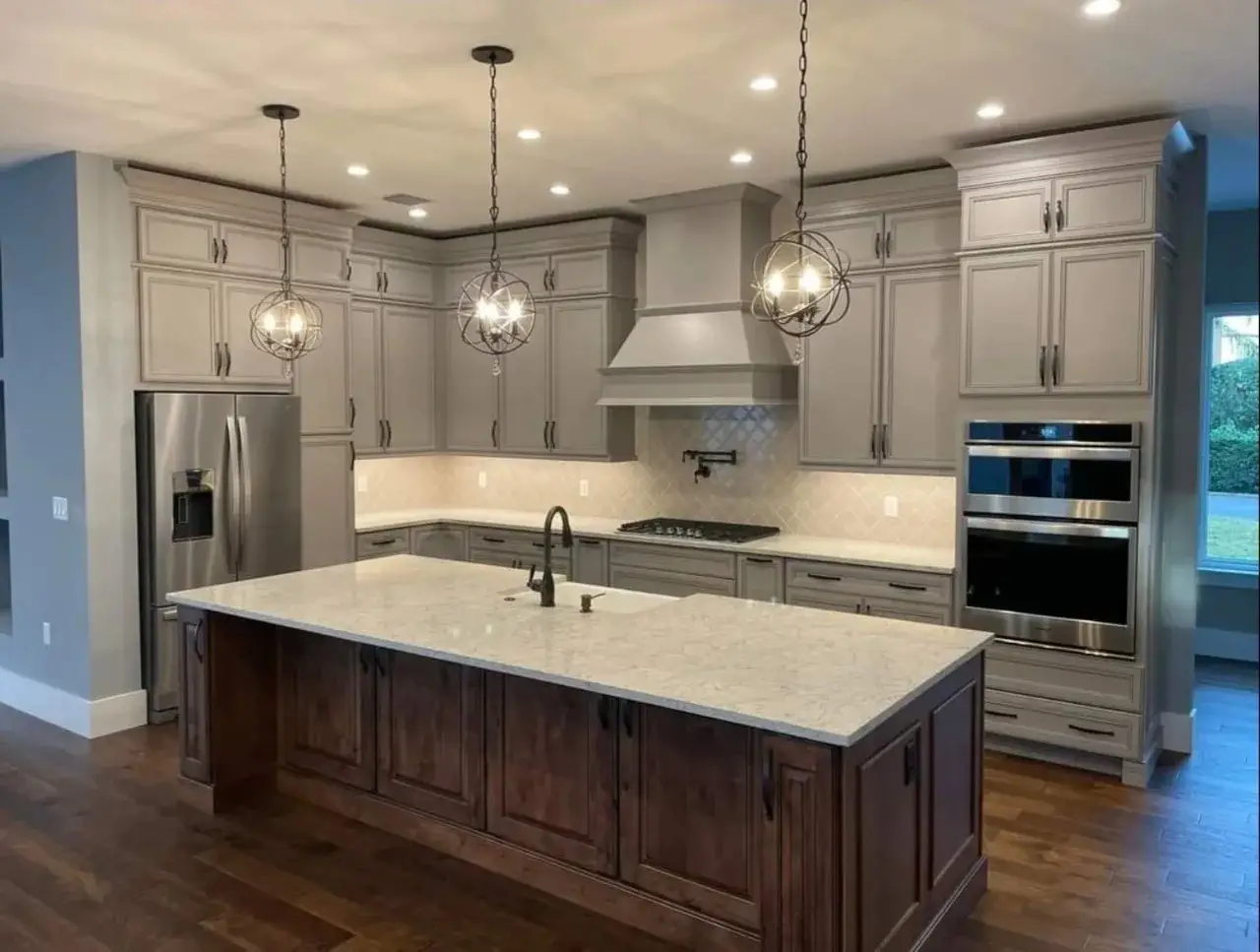

Choosing the right countertop material is one of the most important decisions when remodeling a kitchen — especially for families living in Aylmer QC, Gatineau, Hull, Chelsea QC, or Rockcliffe ON. The countertop isn’t just a surface — it defines the tone of your kitchen, influences durability, maintenance, and everyday comfort, and can greatly affect long-term satisfaction and resale value.
In this guide, we explore the top countertop materials for kitchens in Aylmer QC and beyond — their strengths, drawbacks, suitability for different lifestyles, and how to pick the right one based on how you use your kitchen.
1. What Makes a Great Kitchen Countertop Material?
Before diving into specific materials, it’s useful to define what qualities make a countertop ideal for a kitchen. The best countertops for everyday family kitchens typically offer:
- Durability & scratch resistance — so they stand up to knives, pots, pans, and heavy use.
- Stain and heat resistance — to survive spills, hot pots, frequent cooking.
- Low maintenance — cleaning should be easy, and sealing or upkeep minimal.
- Aesthetic versatility — to match your kitchen’s design, style, and cabinetry.
- Longevity & resale value — a good countertop lasts decades and appeals to future buyers.
- Comfort & practicality — including ease of cleaning, smooth surfaces, and practicality for daily tasks.
With those criteria, here are the leading countertop materials for Aylmer QC kitchens — and what kind of kitchen each suits best.
2. Quartz (Engineered Stone) — The All-Rounder Favorite
Why Quartz is Popular Now
Quartz countertops (sometimes called engineered stone) are composed of crushed natural quartz mixed with resin and pigments. The result: a surface that looks like stone, but with predictable performance and ease of maintenance.
Top advantages:
- Very durable and scratch-resistant. Hands down one of the toughest surfaces available for kitchen work.
- Non-porous — great for spills and stains. You don’t need to seal quartz; it resists red wine, oil, acidic foods, and more.
- Consistent look and option variety. Wide array of colours, finishes, and patterns — from marble-look to solid tones.
- Low maintenance. Cleaning usually requires just soap and water; sealing isn’t needed.
- Ideal for busy households and families. Kids, pets, daily cooking — quartz holds up well.
- Good resale appeal. Many buyers know quartz is “modern, low-maintenance stone,” which adds perceived value.
Considerations / What to Watch Out For
- Heat resistance is lower than natural stone. A very hot pot placed directly may cause damage — always use trivets or hot pads.
- Edge & joint visibility. Depending on installation quality, seams may show more easily.
- Cost is mid-to-high. Typically less expensive than high-end granite or custom stone, but more costly than laminate or basic countertops.
Best For
- Family kitchens with frequent cooking & heavy use
- Families who want minimal maintenance and maximum durability
- Homeowners who prefer a clean, modern, consistent look
3. Granite — Classic, Natural, and Durable
Granite has been a longtime favourite for kitchens. It’s a natural stone quarried from earth, giving each slab unique patterns, textures, and character.
Why Granite Still Makes Sense
- Natural uniqueness. No two slabs are identical — ideal if you want a countertop with character and distinctiveness.
- Excellent heat & scratch resistance. Granites can handle hot pots and heavy use better than many materials (with correct sealing).
- Durability when properly sealed. With periodic sealing, granite lasts decades.
- High-end aesthetic and luxury feel. Granite often conveys permanence, quality, and value — appealing for resale and long-term satisfaction.
Considerations / Trade-Offs
- Porous — needs sealing. Best to reseal every 1–2 years (depending on use), lest stains or liquids seep in.
- Maintenance overhead. Spills (especially oils, acidic foods) need prompt cleaning to avoid permanent marks.
- Cost can be high. Especially for rare colours or premium slabs, plus installation is heavier and more specialized.
- Variation can be a double-edged sword. Matching slabs for large counters or islands can be tricky.
Best For
- Homeowners wanting a timeless, classic look — especially if they cook regularly and want long-term durability.
- Kitchens with high-end finishes, stone or natural-main materials, or open-concept spaces where countertop becomes a visual anchor.
- People who don’t mind occasional maintenance and appreciate natural variations.
4. Solid Surface & Composite Surfaces (A Step Between Laminate & Stone)
Solid surface materials (synthetic blends of resins, minerals, pigments) and composite surfaces offer a middle ground between laminate and stone.
Pros
- Seamless installation possible. Especially useful for curved counters, integrated sinks, or complex layouts in Aylmer QC kitchens where wall shapes or measurements vary.
- Non-porous & hygiene-friendly. Easy to clean, no sealing needed, resistant to stains and bacteria — good for families with kids or allergies.
- Repairable. Small scratches or burns can often be buffed out.
- Cost-effective compared to granite/stone. Moderate pricing with many design and finish options.
Cons / What to Know
- Less scratch & heat resistance than quartz or granite. Cutting directly on surface or placing very hot pots can cause damage.
- Less luxury/resale appeal compared to real stone. While nice-looking, composite surfaces are often viewed as “mid-tier.”
- Limited natural stone appearance. Grain and realism depend on manufacture; not as varied or rich as natural stone.
Best For
- Kitchens on a moderate renovation budget
- Families seeking easy maintenance and durable, hygienic surfaces
- Layouts needing custom shaping or integrated sinks
5. Laminate — Budget-Friendly and Versatile (When Chosen Carefully)
Laminate countertops have improved significantly in recent years. Modern laminates mimic stone, wood or solid colours — and they remain one of the most budget-friendly options.
Advantages
- Low cost — good for tight budgets or temporary kitchens.
- Wide range of colours and patterns. Including stone and wood looks.
- Lightweight, easier to install or replace. Good for renovations in rentals or homes where cost is a concern.
- Moderately durable for everyday use. Acceptable for light to medium cooking or prep habits.
Limitations
- Less heat & scratch resistance. Hot pots or knives can damage the surface, so using cutting boards/trivets is essential.
- Less longevity than stone or quartz. Over time edges or seams may wear, and laminate isn’t easily repaired.
- Resale value is lower. Many buyers expect stone or quartz, so laminate is seen as budget-level.
When Laminate Makes Sense
- For rental properties, guest kitchens, or secondary kitchens
- When the budget is tight
- For homeowners planning major renovation in the future
- In smaller kitchens or apartments where cost-effectiveness matters more than luxury
6. Other Materials: Butcher Block, Concrete, Recycled & Specialty Tops
Beyond the mainstream, some homeowners choose distinctive or custom countertop materials.
A. Butcher Block / Timber Countertops
- Warm, rustic aesthetic — suits farmhouse or natural kitchen styles.
- Gentle and forgiving for dropped dishes.
- Needs regular oiling and maintenance to avoid stains and damage.
- Slightly less ideal for heavy cooking, but great for warming spaces, prep zones or breakfast bars.
B. Concrete (Sealed)
- Modern, industrial look, very customizable (colours, shapes, integrated sink, etc.)
- Heavy — requires strong cabinetry and support.
- Needs sealing regularly to prevent stains or cracking.
C. Recycled / Eco-Friendly Surfaces
(made from glass shards, recycled composites, etc.)
- Environmentally conscious — suits green-building priorities
- Mixed durability depending on composition
- Often chosen by homeowners who value sustainability
D. Mixed Materials (Mix & Match Countertops)
- Use stone or quartz at high-use zones (prep, cooking)
- Use butcher block or laminate on island/breakfast bar for warmth and contrast
- Good way to balance budget, style, and function
Each of these specialty surfaces can add character and individuality to your Aylmer kitchen — especially if you want a distinctive design statement.
7. How to Choose — Matching Material to Your Household’s Needs
Here’s a simple decision framework to help pick the right countertop material:
| Your Need / Priority | Recommended Material(s) |
|---|---|
| Heavy cooking, frequent prep, family meals | Quartz or Granite |
| Low maintenance, easy cleaning, busy lifestyle | Quartz, Solid Surface |
| Tight budget or secondary kitchen / rental | Laminate, Solid Surface |
| Rustic / natural aesthetic, warm feel | Butcher Block, Recycled Surface |
| Custom shapes, integrated sinks, unique layout | Solid Surface, Concrete, Mixed Materials |
| Balanced use, cost vs performance | Quartz for main surface + laminate/wood for island or bar |
8. Practical Tips for Homeowners in Aylmer QC (Local Climate & Lifestyle Considerations)
Because kitchens in Aylmer QC endure winters, humidity changes, and heavy seasonal cooking, here are some local-specific pointers:
- Choose non-porous surfaces (like quartz or sealed granite) — they resist condensation, stains, and damage from temperature swings.
- Avoid materials requiring frequent sealing or maintenance — better for busy lives.
- Go for durability if underfloor heating, radiant heat, or heated floors are involved — quartz and engineered surfaces handle temperature changes well.
- Think of resale value — mid-to-high-end materials like quartz or granite appeal more to future buyers in Gatineau area than laminate or budget surfaces.
- Match countertop finish with lighting and cabinetry — in smaller kitchens or low-light spaces, lighter countertop surfaces help reflect light and make the space feel larger.
9. Cost vs Value — What You Get for What You Pay
While budget matters, the right countertop balances cost, value, and longevity.
- Quartz: Mid to high price — high value due to durability, low maintenance, appeal.
- Granite: High price — highest perceived value and resale appeal, but requires maintenance.
- Solid Surface / Composite: Mid-range price — good value for families needing custom shapes, easy care.
- Laminate: Low price — less value and shorter lifespan, but reasonable for temporary or low-impact kitchens.
- Specialty (wood, concrete, recycled): Variable — best for design-forward kitchens and those willing to maintain and care for them.
Think long-term: a properly chosen countertop lasts decades and adds to daily comfort and home value.
10. Final Thoughts: What’s Best for Your Aylmer Kitchen?
If you’re upgrading your kitchen in Aylmer QC and want one countertop that balances durability, ease, aesthetics, and longevity — quartz is often the safest and smartest choice.
If you love natural materials and don’t mind occasional maintenance — granite or sealed natural stone brings timeless value and luxury feel.
If you’re on a budget or working on a rental / secondary kitchen — laminate or solid surface still deliver utility and decent looks.
If you want character, warmth, or a design statement — wood, recycled surfaces, or mixed Material countertops can make your kitchen uniquely yours.
Ultimately: choose a countertop that fits your lifestyle, cooking habits, aesthetic preferences, and long-term plans. The right choice will serve you for years — offering both function and beauty.
———————————————————————————
Meilleurs Matériaux de Comptoir pour les Cuisines d’Aylmer QC : Quartz, Granite & Plus
(French version — full, original, no sources, no competitors)
Qu’est-Ce Qui Rend un Bon Comptoir de Cuisine ?
Le comptoir idéal combine :
- Résistance aux rayures, chaleur, taches
- Entretien facile
- Longévité
- Aspect esthétique
- Facilité d’usage au quotidien
Quartz (Pierre reconstituée) — L’Option Polyvalente
Avantages :
- Très durable, résiste aux rayures
- Non-poreux — résistances aux taches et salissures
- Grand choix de couleurs et styles
- Entretien facile, pas besoin de sceller
Points à surveiller :
- Résistance à la chaleur limitée — utiliser des sous-plats
- Coût modéré à élevé
- Les joints/angles peuvent être visibles selon pose
Pour qui :
Pour familles occupées, cuisine très utilisée, style moderne et pratique
Granite — Élégance Naturelle et Longévité
Avantages :
- Pierre naturelle — unique, durable, résistante à la chaleur
- Esthétique luxueuse et intemporelle
- Très bonne durabilité si bien entretenu
Inconvénients :
- Poreux — nécessite scellement régulier
- Besoin d’entretien pour éviter taches et marques
- Coût élevé
Pour qui :
Pour cuisines haut de gamme, design durable, propriétaires prêts à entretenir
Surfaces Composites & Solid Surface — Bon Équilibre Qualité/Prix
Avantages :
- Surfaces lisses et homogènes
- Entretien facile, non-poreux
- Possibilité de formes personnalisées, intégration d’évier
- Coût modéré
Limites :
- Moins résistantes à la chaleur et aux rayures que quartz / pierre
- Esthétique moins luxueuse
Pour qui :
Pour familles cherchant fonctionnalité, entretien simple, budget modéré
Stratifié — Option Budget Raisonnable
Avantages :
- Peu coûteux
- Large gamme de styles et couleurs
- Facile à installer ou remplacer
Inconvénients :
- Sensible à la chaleur et aux rayures
- Durée de vie plus courte
- Valeur de revente plus faible
Pour qui :
Cuisines secondaires, logements temporaires, petit budget
Options Alternatives — Bois, Béton, Matériaux Recyclés, etc.
Bois / Plan de travail en bois : chaud, naturel, esthétique rustique — nécessite entretien régulier.
Béton scellé : style moderne et personnalisable — lourd, nécessite bonne étanchéité.
Matériaux recyclés / composites écologiques : intéressant pour conscience écologique, mais durabilité variable.
Combinaisons : quartz + bois, pierre + bois, matériaux mixtes — permet de mixer style, budget, praticité.
Comment Choisir le Comptoir Idéal pour Votre Cuisine d’Aylmer QC
| Besoin / Priorité | Matériaux Conseillés |
|---|---|
| Usage intensif, durabilité, entretien minime | Quartz, Solid Surface |
| Esthétique haut de gamme, long terme | Granite, Pierre naturelle |
| Budget limité ou location | Laminate, Solid Surface |
| Style chaleureux ou rustique | Bois, matériaux mixtes |
| Formes personnalisées, design personnalisé | Solid Surface, Béton, matériaux composites |
Conseils Pratiques pour Climat & Vie Locale
- Pour l’hiver et les changements de température : choisir des matériaux non-poreux, résistants, faciles à nettoyer
- Éviter les surfaces demandant beaucoup d’entretien si cuisine très active
- Pour petites cuisines ou manque de lumière : privilégier des couleurs claires
- Pour grande maison, style contemporain ou famille nombreuse : quartz ou granite offrent durabilité + valeur de revente
Conclusion
Le meilleur comptoir pour votre cuisine d’Aylmer QC dépend surtout de votre mode de vie, de vos priorités, et de votre budget.
- Quartz offre le meilleur compromis global : durabilité, propreté, style moderne.
- Granite séduit par son élégance et son côté naturel, pour une cuisine haut de gamme.
- Solid Surface et matériaux composites sont pratiques et flexibles pour des budgets modérés.
- Stratifié reste une option acceptable quand le budget est limité.
- Bois, béton, matériaux mixtes apportent caractère et personnalité, à condition d’être bien entretenus.
Avec le bon choix, votre cuisine deviendra non seulement belle, mais aussi durable, fonctionnelle et adaptée à votre vie quotidienne — pour des années de repas, de projets, et de souvenirs.