
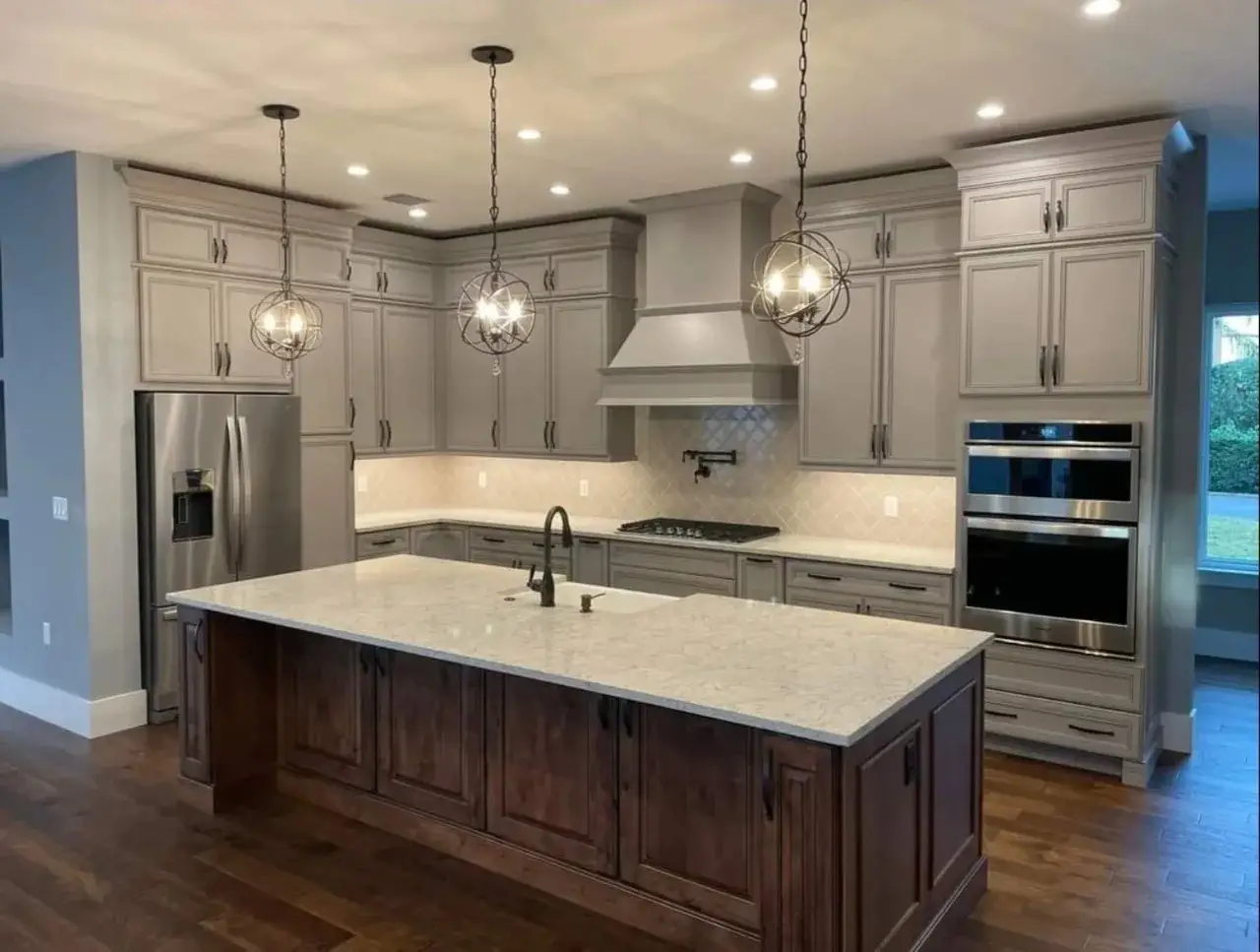

Kitchen remodeling is one of the most meaningful upgrades homeowners in Gatineau can make. The kitchen is no longer just a place to cook—it’s where families gather, routines unfold, and daily life happens. Because of this, a successful kitchen remodel must go beyond surface upgrades. It must improve how the space flows, how it stores, and how it performs over time.
A well-designed kitchen remodel balances three core elements: layout, storage, and materials. When these are planned together, the result is a kitchen that feels intuitive, comfortable, and built to last. When they’re overlooked or treated separately, even expensive renovations can fall short.
This guide breaks down each of these elements in detail, helping homeowners in Gatineau understand how to make smart, lasting decisions during a kitchen remodel.
Why Kitchen Remodeling Matters in Gatineau Homes
Many kitchens in Gatineau were designed years ago, when storage needs were smaller, appliances were fewer, and kitchens were more closed-off. Today’s households demand more from their kitchens: better organization, more workspace, improved lighting, and materials that handle constant use.
A thoughtful kitchen remodel:
- Improves daily workflow
- Reduces clutter and frustration
- Adapts the kitchen to modern lifestyles
- Increases comfort and efficiency
- Adds long-term value to the home
Rather than focusing only on appearance, successful renovations address how the kitchen works on a day-to-day basis.
Kitchen Layout: Designing for Flow and Function
The layout is the backbone of any kitchen remodel. It determines how easy the space is to use and how well it supports daily routines.
Understanding Kitchen Workflow
At its core, a good kitchen layout minimizes unnecessary movement. Cooking, cleaning, and food storage should feel natural and efficient.
Key considerations include:
- Clear pathways between major work zones
- Adequate spacing between counters and islands
- Unobstructed appliance access
- Logical placement of prep areas near sinks and cooking surfaces
When the layout works, the kitchen feels effortless to use.
Common Kitchen Layouts in Gatineau
Different homes require different layouts. Some of the most common include:
U-Shaped Kitchens
Ideal for maximizing counter space and storage, U-shaped layouts work well in enclosed or semi-open kitchens.
L-Shaped Kitchens
An L-shaped layout opens the space and improves flow, especially in homes that combine kitchen and dining areas.
Galley Kitchens
Often found in older homes, galley kitchens can be highly efficient when storage and lighting are optimized.
Open-Concept Kitchens
Open layouts connect the kitchen to living or dining spaces, improving interaction and visibility while requiring careful planning to manage clutter and traffic.
Kitchen Islands: Functional, Not Just Decorative
Islands are popular, but they must be sized and positioned correctly.
A well-designed island can:
- Add prep and counter space
- Provide seating
- Improve storage
- Serve as a central gathering point
Poorly planned islands, however, can restrict movement and disrupt workflow. Proper spacing around the island is critical for comfort and safety.
Storage: The Key to a Clutter-Free Kitchen
Storage is often the biggest pain point in older kitchens. Remodeling provides an opportunity to rethink how and where items are stored.
Designing Storage Around Real Use
Instead of adding more cabinets blindly, smart storage design focuses on how the kitchen is actually used.
Questions to consider:
- Where do you prep food most often?
- How frequently are certain items used?
- What causes clutter now?
Designing storage around habits improves organization and usability.
Modern Storage Solutions That Make a Difference
Kitchen remodeling allows for storage upgrades that dramatically improve daily function, such as:
- Deep drawers for pots and pans
- Pull-out pantry systems
- Built-in spice racks
- Vertical tray storage
- Hidden waste and recycling compartments
These features reduce bending, digging, and wasted space.
Upper Cabinets vs Open Storage
Upper cabinets provide maximum storage, while open shelving can make a kitchen feel lighter and more open. A balanced combination often works best, offering storage without overwhelming the space.
Material Choices: Balancing Style, Durability, and Maintenance
Materials define how a kitchen looks and how it holds up over time. In Gatineau, where kitchens experience year-round use, durability is just as important as appearance.
Cabinet Materials and Finishes
Cabinetry forms the largest visual surface in the kitchen.
Key considerations include:
- Durability of finishes
- Ease of cleaning
- Resistance to moisture and wear
- Timeless design choices
Neutral tones, quality finishes, and solid construction ensure cabinets age well and remain appealing.
Countertop Materials Explained
Countertops must handle constant use while supporting the overall design.
Important factors:
- Resistance to scratches and stains
- Heat tolerance
- Maintenance requirements
- Visual consistency with cabinets
Choosing the right countertop improves both performance and appearance without unnecessary upkeep.
Backsplashes: Protection and Personality
Backsplashes protect walls from moisture and spills while adding visual interest.
Simple, durable designs often perform best, especially in high-use kitchens. The goal is to complement—not overpower—the rest of the kitchen.
Flooring Materials for Kitchens
Kitchen floors must handle spills, foot traffic, and temperature changes.
Effective options balance:
- Moisture resistance
- Comfort underfoot
- Ease of cleaning
- Long-term durability
Choosing the right flooring improves safety and comfort while maintaining a cohesive look.
Lighting: Supporting Layout and Materials
Lighting ties layout, storage, and materials together.
Layered Lighting Design
A functional kitchen uses multiple lighting layers:
- Ambient lighting for overall brightness
- Task lighting for prep areas
- Accent lighting to highlight features
This approach ensures the kitchen is usable at all times of day.
Appliances and Integration
Modern kitchen remodeling integrates appliances into the layout rather than treating them as afterthoughts.
Built-in appliances, efficient placement, and proper clearances all contribute to smoother daily use.
Planning a Kitchen Remodel in Gatineau
Successful remodeling begins with planning.
Set Clear Priorities
Identify what matters most—storage, layout, materials, or a combination.
Design for Long-Term Use
Choose solutions that will still feel practical and attractive years down the line.
Balance Budget and Impact
Invest in areas that improve daily comfort and functionality first.
Long-Term Benefits of a Well-Planned Kitchen Remodel
When layout, storage, and materials work together, homeowners experience:
- Better organization
- Less clutter
- Improved workflow
- Easier maintenance
- Increased home value
A kitchen remodel done right improves everyday life—not just resale appeal.
Conclusion: Making Smart Kitchen Remodeling Decisions
Kitchen remodeling in Gatineau is most successful when layout, storage, and materials are planned as a complete system. Each decision affects how the kitchen feels, functions, and ages over time.
By focusing on flow, practical storage, and durable materials, homeowners can create kitchens that support daily routines, feel comfortable to use, and deliver lasting value. A well-designed kitchen isn’t just renovated—it’s transformed.
Rénovation de cuisine à Gatineau : aménagement, rangement et choix des matériaux expliqués
La rénovation de cuisine est l’un des projets les plus importants pour les propriétaires de Gatineau. La cuisine est aujourd’hui un espace central où se déroulent les activités quotidiennes. Une rénovation réussie doit donc améliorer non seulement l’apparence, mais aussi la fonctionnalité et le confort.
Trois éléments sont essentiels : l’aménagement, le rangement et les matériaux. Lorsqu’ils sont pensés ensemble, ils transforment la cuisine en un espace fluide, organisé et durable.
Pourquoi rénover sa cuisine à Gatineau
De nombreuses cuisines ont été conçues pour des besoins d’une autre époque. Une rénovation permet d’adapter l’espace aux habitudes actuelles, d’améliorer l’efficacité et d’augmenter la valeur de la maison.
L’aménagement : la base d’une cuisine fonctionnelle
Un bon aménagement réduit les déplacements inutiles et facilite les tâches quotidiennes.
Circulation et zones de travail
La disposition des zones de cuisson, de lavage et de rangement doit être logique et fluide.
Types d’aménagement courants
- Cuisine en U
- Cuisine en L
- Cuisine en couloir
- Cuisine à aire ouverte
Chaque configuration répond à des besoins différents selon la maison.
Îlots de cuisine
Un îlot bien conçu ajoute du rangement, de l’espace de travail et parfois des places assises, à condition qu’il soit bien proportionné.
Rangement : une cuisine organisée est une cuisine agréable
La rénovation permet d’optimiser le rangement selon l’usage réel.
Solutions modernes
- Tiroirs profonds
- Garde-manger coulissants
- Rangements verticaux
- Bacs de recyclage intégrés
Ces solutions améliorent l’ergonomie et réduisent le désordre.
Choix des matériaux : durabilité et esthétique
Armoires
Les matériaux et finitions doivent être résistants, faciles à nettoyer et intemporels.
Comptoirs
Ils doivent supporter une utilisation intensive tout en s’harmonisant avec le reste de la cuisine.
Dosserets
Ils protègent les murs et ajoutent une touche visuelle sans compliquer l’entretien.
Planchers
Les planchers de cuisine doivent être résistants à l’humidité et confortables à l’usage.
Éclairage
Un éclairage bien pensé soutient l’aménagement et met en valeur les matériaux.
Électroménagers intégrés
Une bonne intégration améliore la fluidité et l’esthétique de la cuisine.
Planification du projet
Une rénovation réussie commence par des priorités claires, des choix durables et une vision à long terme.
Les avantages à long terme
- Meilleure organisation
- Confort accru
- Entretien simplifié
- Valeur ajoutée à la maison
Conclusion
La rénovation de cuisine à Gatineau repose sur des choix réfléchis en matière d’aménagement, de rangement et de matériaux. En planifiant ces éléments ensemble, les propriétaires peuvent créer une cuisine fonctionnelle, durable et agréable à utiliser chaque jour.
Une cuisine bien conçue transforme non seulement l’espace, mais aussi la façon de vivre la maison au quotidien.