
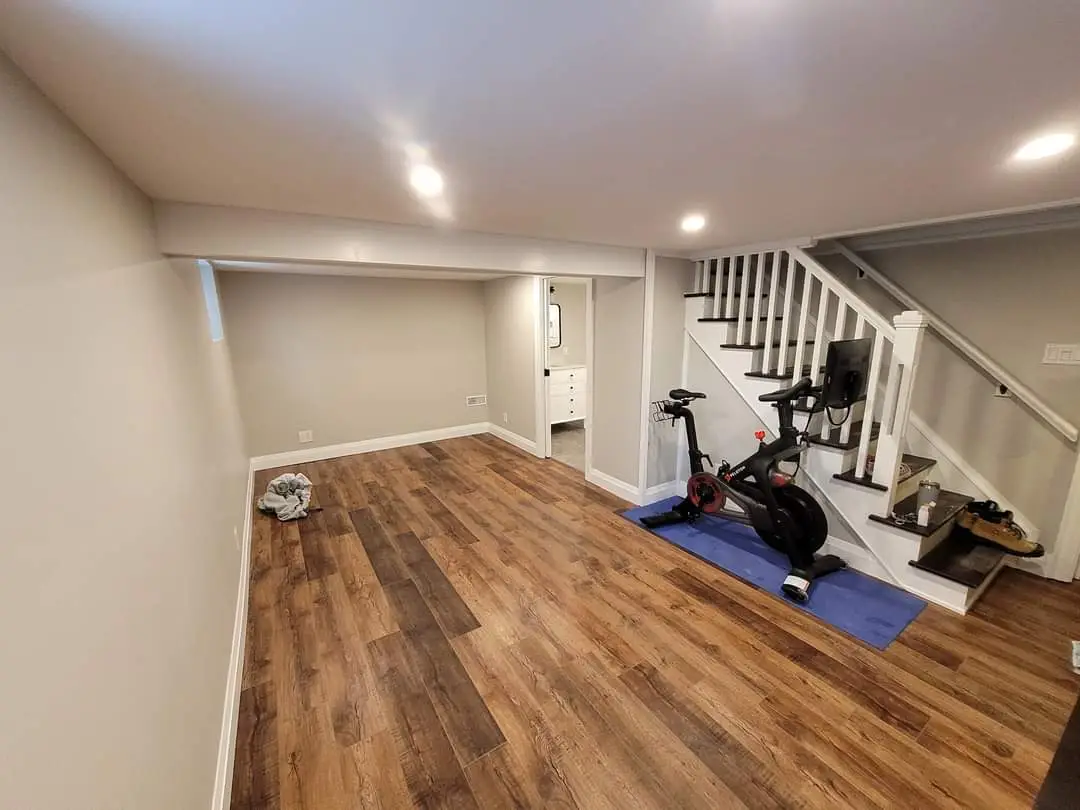

Basement renovations are among the most transformative improvements you can make to your home in Hull. What once might have been a cold, dark, underused space can become a vibrant family room, a productive home office, or a fully functional home gym. Unlike cosmetic upgrades, basement remodeling unlocks real livable space — square footage that enhances comfort, caters to your lifestyle, and increases overall home value.
Whether you want a cozy place for family gatherings, a quiet workspace separate from the main floor, or a dedicated fitness zone that eliminates gym memberships, a thoughtfully designed basement can deliver it all. In this guide, we explore smart, practical design ideas that help homeowners in Hull create functional, inviting basements tailored to today’s needs.
We’ll cover core design principles, layout strategies, material and lighting choices, and specific design ideas for family rooms, home offices, and home gyms — all with comfort, durability, and long-term enjoyment in mind.
Why Basement Renovations Matter in Hull Homes
Many basements in Hull were originally built with minimal finishing — concrete floors, exposed joists, dim lighting, and cold air. But basements represent unused potential: additional space that can be finished to extend your living areas without the cost and disruption of building an above-ground addition.
Renovating a basement isn’t only about aesthetics. It improves:
- Usable living space for families
- Functional separation between living and work areas
- Home value and market appeal
- Energy efficiency, moisture control, and comfort
Today’s homeowners expect basements to be warm, welcoming, and tailored to how they live — not tucked-away storage zones.
Core Principles for Remodeling a Basement in Hull
Before diving into specific design ideas, it’s critical to understand a few renovation principles that work for all basement types:
1. Moisture Management and Insulation Come First
A good basement renovation starts with addressing moisture, insulation, and air sealing. Without this foundation, even the best design will suffer from cold floors, mold risk, or lingering dampness.
Moisture control includes:
- Proper exterior drainage
- High-quality vapor barriers
- Wall and rim-joist insulation
- Insulated subflooring or heated flooring systems
By creating a dry, well-insulated space, you ensure that every design upgrade performs well year-round.
2. Layered Lighting Makes Basements Feel Homey
Basements often lack natural light. Layered lighting strategies — combining ambient, task, and accent lighting — create depth and warmth:
- Recessed lighting for general illumination
- LED strips or puck lights for task areas
- Floor or table lamps for softer, inviting light
- Accent lighting for architectural features or artwork
Warm-tone light makes spaces feel more comfortable, especially during Hull’s long winter months.
3. Choose Materials for Durability and Comfort
Basements undergo heavy use and often face higher humidity than upper floors. Choose materials that are:
- Moisture-resistant (flooring and wall finishes)
- Easy to clean (especially in gym zones)
- Warm underfoot (vinyl, engineered wood over subfloor insulation)
- Long-lasting even with heavy foot traffic
Durable finishes reduce maintenance hassles and improve long-term satisfaction.
4. Create Defined Zones for Multiple Functions
Especially in larger basements, zoning — distinct areas separated by function — makes the space feel organized and purposeful. For example:
- A family room area with seating and entertainment
- A quiet office zone for focus
- A gym zone with open space and rubber flooring
Defined zones help the space look intentional, not chaotic.
Design Ideas for a Family Room Basement
A family room in the basement becomes the go-to place for casual entertainment, game nights, movie watching, and daily relaxation. Here are design ideas that make basements feel inviting:
Open, Flexible Layouts
Rather than a segmented space, aim for an open layout that allows multiple seating arrangements. This flexibility ensures the room can adapt:
- Group couches and chairs around a central focal point (TV or fireplace)
- Create conversational areas with modular furniture
- Leave space for activity zones like board games or kid play areas
Open layouts also make the basement feel larger and more accessible.
Cozy Seating and Textural Comfort
Comfort is essential in a family room. Consider:
- Plush sectional sofas
- Oversized ottomans
- Layered area rugs
- Soft throws and pillows
These elements add warmth and softness that contrast the typical cool feel of basement spaces.
Media Walls and Entertainment Centers
A media wall — with integrated shelving, cabinetry, and a large screen — creates a natural focal point:
- Built-in cabinets for storage and electronics
- Surround sound speaker systems for movies and music
- Recessed niches for décor or personal collections
Built-ins also reduce clutter, which is vital in multi-purpose spaces.
Accent Walls and Visual Depth
Use paint or durable wall panels to create a feature wall. Darker hues can add drama, while textured panels or wood slats add dimension.
Accent walls create defined zones and elevate the visual appeal of a basement family room.
Design Ideas for a Home Office Basement
Home offices deserve special attention, especially as remote work becomes more common. A basement office can be quieter and more distraction-free than upper floors — but only if designed for focus and comfort.
Separate Workspace With Good Acoustics
Noise control is essential. Use:
- Acoustic panels on walls or ceilings
- Area rugs or carpet tiles to absorb sound
- Door or room dividers to separate from family zones
Effective acoustics keep your office serene and productive.
Natural Light Simulation and Task Lighting
Basements often lack windows, so compensating with lighting is crucial:
- Adjustable desk lamps
- Light layers that mimic daylight
- Warm ambient lighting to reduce eye strain
Quality lighting enhances focus and comfort during long work sessions.
Ergonomic Workstations
Comfort and productivity go hand in hand. Pay attention to:
- Adjustable desks (sitting/standing options)
- Ergonomic chairs
- Cable management to keep surfaces clear
- Closed storage for documents and office supplies
An organized, ergonomic office reduces stress and boosts efficiency.
Incorporate Visual Interest
Even professional spaces benefit from design:
- Art prints or photos that inspire you
- Shelving for books and décor
- Plants for a touch of nature (low-light tolerant species)
A space that feels personal and calm encourages consistent productivity.
Design Ideas for a Home Gym Basement
A home gym keeps you in shape without leaving home — and a basement is the ideal location. The key to a successful gym design is open space, safety, and equipment-friendly finishes.
Flooring Built for Movement
Gym areas require specific flooring that’s:
- Durable
- Shock absorbing
- Easy to clean
Options include:
- Rubber interlocking tiles
- Foam tiles (for lighter workouts)
- Performance vinyl with cushioning
These surfaces protect equipment and reduce impact on joints.
Open, Uncluttered Workout Zones
An organized gym zone should:
- Allow clear movement paths
- Provide specific zones for cardio, strength, stretching
- Include storage racks for weights and bands
Proper planning prevents accidents and makes workouts more efficient.
Ventilation and Air Quality
Basements can become stuffy during vigorous workouts. Improve air quality with:
- Ventilation fans
- Dehumidifiers
- Proper HVAC integration
Good airflow makes workouts feel fresher and more comfortable.
Mirrors for Visual Feedback
Full-length mirrors serve dual purposes:
- Create the illusion of more space
- Allow you to monitor form and posture during workouts
Install mirrors on one wall with moisture-resistant backing for safety.
Blending Multiple Zones Without Chaos
Many basements support more than one function. The key to success is zoning without visual clutter.
Use Rugs and Lighting to Define Areas
Area rugs, overhead pendants, and directional lighting help differentiate zones.
- Rugs under seating areas
- Track lighting for office desks
- Pendant lighting near workout spaces
Each zone has a distinct visual anchor.
Cohesive Yet Varied Finishes
Use a consistent colour palette across zones, but vary textures:
- Soft fabrics in family areas
- Matte finishes in office zones
- Rubberized surfaces in gym areas
This balance keeps the basement cohesive while delineating specific uses.
Basement Renovation Materials That Work in Hull
Basements face moisture, temperature changes, and heavy use, so material choice matters.
Flooring
- Vinyl plank – moisture-resistant and warm
- Engineered wood – when moisture is controlled
- Carpet tiles – in office/family zones
Walls
- Moisture-resistant drywall
- Paintable wall panels
- Accent boards for design interest
Ceilings
- Drop ceilings for easy access
- Drywall with recessed lighting
Trim and Finishes
- Durable baseboards
- Easy-clean paint
- Coordinated hardware
Quality materials improve comfort, longevity, and resale value.
Planning and Execution: A Successful Hull Basement Remodel
Start With Structural Needs
Address moisture, insulation, and egress requirements first.
Prioritize Budget vs Impact
Focus on comfort upgrades that show immediate results: lighting, flooring, heating.
Work With Professionals
A basement renovation touches multiple systems — electrical, HVAC, framing, insulation. Proper planning keeps your project on time and on budget.
Long-Term Benefits of a Thoughtful Basement Remodel
Well-designed basement spaces offer:
- Additional livable square footage
- Enhanced family experience
- Better work-life balance (home office)
- Health and wellness (home gym)
- Higher property value
Basement renovations are investments in functionality and quality of life.
Conclusion: Creating Basements That Truly Work for You
Basement renovations in Hull unlock new possibilities for how you live, work, and play at home. By focusing on thoughtful design, practical materials, and smart layouts, you can turn an underused space into an essential part of your daily life: a cozy family room, a focused home office, or a functional home gym — or all three.
With careful planning, quality craftsmanship, and vision, your basement can become one of the most valuable and enjoyable spaces in your home.
——————————————————————————
Rénovation de sous-sol à Hull : idées d’aménagement pour salon familial, bureau et salle de sport
La rénovation d’un sous-sol à Hull transforme une zone souvent sous-utilisée en un espace fonctionnel, confortable et bien adapté à la vie moderne. Un sous-sol bien conçu peut devenir une salle familiale, un bureau à domicile, une salle de sport ou une combinaison de ces zones.
Ce guide propose des idées d’aménagement pratiques pour tirer le maximum de votre sous-sol, en mettant l’accent sur le confort, la fonctionnalité et la durabilité.
Pourquoi rénover son sous-sol à Hull
Les sous-sols non finis sont froids, sombres et peu accueillants. Avec une rénovation intelligente, vous augmentez la surface habitable, améliorez le confort quotidien et ajoutez de la valeur à votre maison.
Les rénovations de sous-sol permettent :
- de créer de nouveaux espaces de vie
- de répondre aux besoins actuels (travail, loisirs, relaxation)
- d’optimiser l’usage de chaque mètre carré
Principes clés pour une rénovation réussie
1. Gestion de l’humidité et isolation
Une rénovation efficace commence par régler l’humidité et l’isolation des murs et des planchers. Cela protège les finitions et assure une température confortable toute l’année.
2. Éclairage en couches
Un sous-sol bien éclairé devient instantanément plus accueillant et utilisable.
Idées pour une salle familiale dans le sous-sol
Une salle familiale est l’un des aménagements les plus appréciés.
Aménagement ouvert et flexible
Les zones ouvertes permettent différents usages : télévision, jeux, rencontres familiales.
Sièges confortables
Des canapés modulables, des poufs et des tapis chauffants rendent l’espace chaleureux.
Murs d’intérêt visuel
Des murs texturés ou peints ajoutent de la personnalité sans alourdir l’espace.
Idées pour un bureau à domicile
Le sous-sol est un excellent endroit pour un bureau calme et concentré.
Isolation acoustique
Des panneaux acoustiques et des tapis épais réduisent les bruits.
Éclairage de travail
Un éclairage bien positionné améliore la concentration et réduit la fatigue oculaire.
Rangement intégré
Des étagères et des armoires permettent de garder un espace ordonné.
Idées pour une salle de sport à domicile
Créer une salle de sport dans le sous-sol est pratique et motivant.
Revêtements adaptés
Des sols en caoutchouc ou en vinyle résistant protègent le plancher.
Espace dégagé
Un espace clair et bien organisé facilite les mouvements et les exercices.
Ventilation et circulation d’air
Une bonne ventilation rend les séances plus confortables.
Combiner plusieurs zones sans chaos
Pour combiner salon familial, bureau et salle de sport :
- utilisez des tapis et des éclairages pour délimiter les zones
- choisissez des palettes neutres mais harmonieuses
- intégrez du rangement pour éviter l’encombrement
Matériaux performants pour sous-sol
- sols résistants à l’humidité
- murs isolés et parfaitement finis
- éclairage LED efficace
- peintures durables et faciles à nettoyer
Planification et exécution
- commencez par l’humidité et l’isolation
- créez des zones définies pour chaque usage
- choisissez des matériaux durables
- travaillez avec une équipe professionnelle pour une finition irréprochable
Conclusion
Une rénovation de sous-sol à Hull vous permet d’ajouter des espaces utiles comme une salle familiale, un bureau à domicile ou une salle de sport. Avec une planification soigneuse et des matériaux adaptés, votre sous-sol devient une extension chaleureuse, fonctionnelle et durable de votre maison.
Un sous-sol bien aménagé change la façon dont vous vivez votre maison chaque jour.